Quick Look into Internet-native stories
Most conversations about “internet culture” focus on platforms — what’s trending, what TikTok is pushing, what YouTubers are lecturing about this week. But underneath the noise, there’s a whole creative universe happening online that rarely gets mainstream attention: strange, ambitious, multimedia stories built by people who treat the internet not just as a distribution tool, but as the medium itself.
1999: The Blair Witch Project
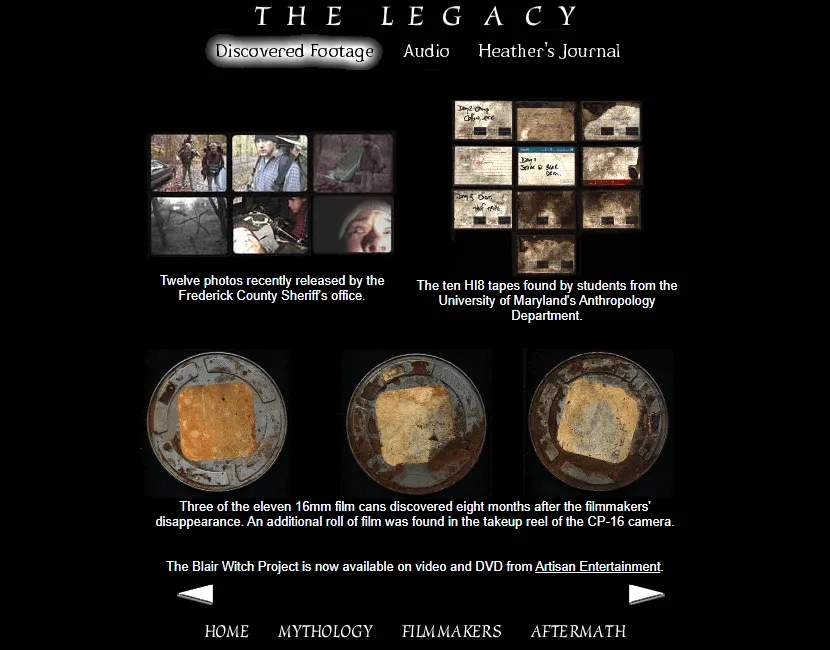
Think back to The Blair Witch Project (1999). Before the movie hit theaters, its creators built an entire mythology across early internet forums, fake documents, character backstories, and a website designed to blur the line between fiction and reality. People genuinely weren’t sure if the legend was real. Blair Witch proved the web wasn’t just a place to promote stories, it was a place to tell them.
2015: SKAM

The Norwegian series Skam took storytelling off the screen and onto the internet. Instead of releasing full episodes, the show dropped clips in real time, moments appearing online at the exact time they happened to the characters. Viewers followed Instagram accounts, read texts, and pieced together plotlines across platforms accumulating in a full episode dropped every Friday.
Skam didn’t invent this approach, but it perfected it: a narrative that treated the audience like active participants rather than passive viewers. Contributing to the viewers, daily lives instead of just on a weekly basis.
2017: 17776
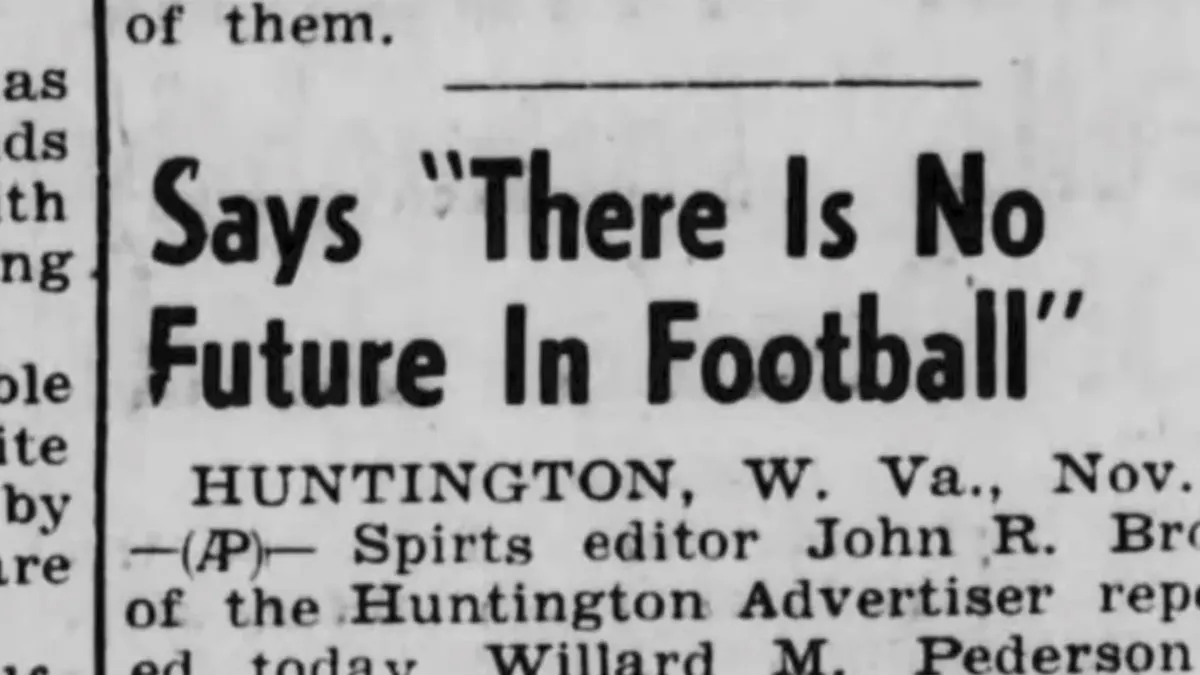
Then there’s Jon Bois’ 17776, a multimedia sci-fi epic published on SBNation in 2017. It blended Google Earth snapshots, glitchy interfaces, text logs, animated video segments, and narrative prose into something that couldn’t exist anywhere but online. It feels like browsing an alternate internet, one where humanity is immortal, football spans thousands of miles, and satellites gossip like bored roommates. It’s the perfect example of how the web isn’t just a place to host stories, but a place to shape them. 17776 is not “multimedia” in the corporate sense, it was multimedia in the way the early Internet felt: messy, playful, unpredictable. The story required you to click, scroll, explore, and decode. It didn’t work as a TV show or a book. It only worked as a website.
~2015- ~2022 Analog Horror

If 17776 was a love letter to the digital future, analog horror is the love letter to the haunted past of media.
The analog horror boom (Local 58, Gemini Home Entertainment, The Mandela Catalogue, etc.) is another corner of the internet where multimedia thrives. These projects combine fake PSAs, distorted emergency broadcasts, website archives, ARG clues, and liminal VHS aesthetics to build universes that feel eerily real. Often these projects are hosted on YouTube or someone's personal website often linking to other hidden videos or messages for the viewer to find. Analog horror works because it uses the internet’s rawness, its glitches and amateur energy as part of the art. The genre of analog horror sorta Indie Web itself, decentralized, collaborative, and weirder than you would think. And analog course seems to be going mainstream, with A24's The Backrooms (based on the original YouTube series) getting it's own movie in 2026.
2017-2021 Rabbits
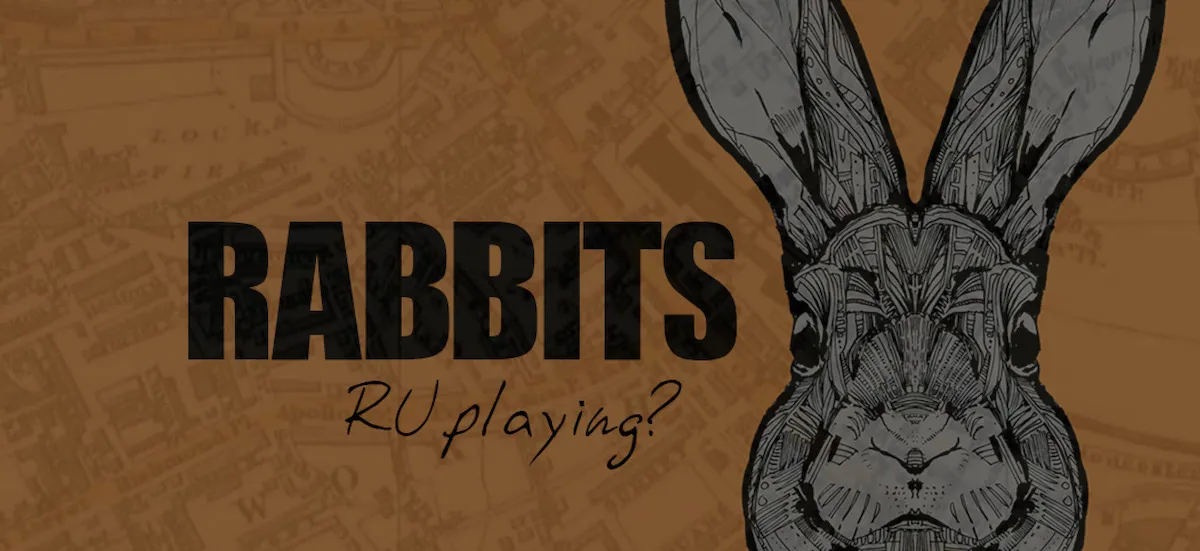
Then there’s Rabbits, a fiction podcast that frames itself as an investigative documentary. It plays with found audio, interviews, archival tapes, and missing-person mysteries; all while keeping just enough realism that some listeners weren’t convinced it was fiction. The plot Rabbits centers around a multimedia Internet mystery, which of course ends up becoming true and causing havoc for the characters.
It uses the podcast format the same way analog horror uses VHS: not just as a container, but as part of the story.
So Why Isn’t This Stuff Mainstream?
Because it isn’t built for mass consumption.
These projects are fragmented, weird, and inconvenient (three things algorithms avoid at all costs). They reward curiosity, not passivity. And sure, they can be marketable but the broad appeal is not there yet. Maybe in 10 to 15 years when there's an nostalgia factor, we could be seeing more cyber centric mainstream media. But not in the way that many of these projects require you to be an active member in the story. They ask you to browse, click, follow clues, read between the lines. They require the kind of attention that modern feeds quietly train out of us.
Internet-native stories rarely fit the standard mold.
The Indie Web Keeping The Spirit Alive
What all these projects share (Blair Witch, Skam, 17776, Rabbits) is that Indie Web mindset that I referenced in other posts. The mindset that you can use the Internet see what you want to see. These stories aren’t trying to be blockbuster franchises. They are passion projects and shots in the dark. A few of them are lucky to have fan bases, but so many are lost to the depths of cyberspace. But still, the Internet is able to hold unique stories found nowhere else. And, personally, I can't wait to find the next great one.