On the rejection of templates
When Marshall McLuhan wrote that “the medium is the message,” he wasn’t being just cryptic for fun. He meant that the form a message takes matters just as much as the content inside it. The medium shapes how we think, how we behave, and even how we relate to one another (McLuhan, 1964).
However, in the Internet age, the medium is always the Internet, right? It doesn't matter what it is, it's text on the screen. But nowadays, it not only matters what you're posting, but where you're posting it.
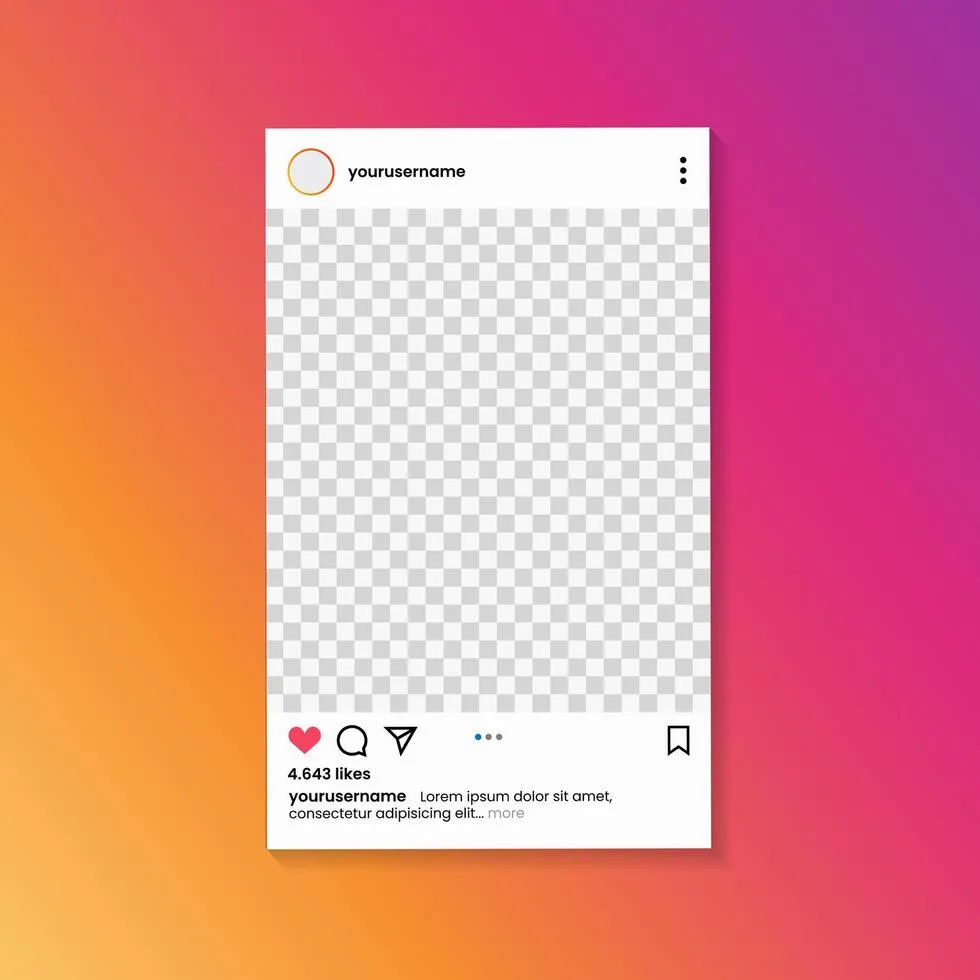
Most of the modern internet runs on templates handed to us by big platforms: Instagram’s perfect squares, TikTok’s looping videos, Twitter/X’s character boxes, YouTube’s bright thumbnails screaming for your attention. These platforms decide the shape of the message long before we type a word.
But something interesting is happening: more people are choosing to step outside that system entirely and create media on their own terms. The medium now comes in the form of personal blogs, hand-coded websites, Neocities pages, indie newsletters, tiny message boards, and digital “garden” sites.
Which raises the question:
Why are people choosing to create media on the open web… without the templates given to them by mainstream platforms?
At first, I assumed it was nostalgia. People missing the early internet. Pixel art. Hit counters. The wild, scrapbook feel of HTML 1.0.But the more I watched these small online spaces grow, the more I realized: It’s not about the nostalgia; it’s about connection an independence.
McLuhan argued that each medium shapes the “scale and form” of human interaction (1964). And honestly, the scale of algorithmic platforms is too big, too fast, and too optimized to support the kind of connection people actually crave.
When you build your own website, even a tiny one, something shifts. There’s no algorithm sorting your thoughts. No pressure to perform. No silent metrics evaluating your worth. Just space, your space, and anyone who visits shows up intentionally.
People aren’t just rejecting templates because they’re restrictive. The rejecting them because a template can't contain everything. A template is surveilled and measured. Proportioned in pixels.
But building your own space on the web is a small act of digital refusal — and a quiet invitation: Let’s connect differently. Let’s connect directly. Let’s try connect like humans again.
And that, I think, is a great goal to have.
References
McLuhan, M. (1964). Understanding media: The extensions of man. McGraw-Hill.